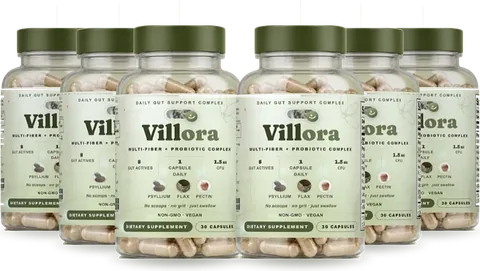
Fermenting at home needs little more than clean jars, salt or starter cultures, and patience. Yogurt takes about eight hours, kimchi a few days, and kefir roughly a day. Add small servings to meals for variety. Many people also keep a steady daily routine such as Villora, which the brand describes as a multi-fiber and probiotic complex.
What fermentation actually is · Gear you need before you begin · Homemade yogurt in eight hours · Kefir and kimchi in a few steps · Fitting cultured foods into your day · Tips for success and kitchen hygiene
- Start with clean jars and good ingredients.
- Yogurt, kefir, and kimchi each have different timelines.
- Small daily servings beat occasional large ones.
- Fold cultured foods into a broader fiber-forward routine.
What fermentation actually is
Fermentation is an old kitchen technique in which friendly microbes turn sugars in food into acids and other compounds. The result is tangy flavor, a longer shelf life, and a pantry full of interesting textures. Every cuisine has its versions, from sauerkraut to miso to sourdough.
The three easiest entry points at home are yogurt, kefir, and kimchi, because each uses basic equipment and forgiving methods.
Gear you need before you begin
Keep the shopping list short:
- Glass jars with lids, washed in hot soapy water and rinsed well.
- A kitchen scale for measuring salt, which keeps results consistent.
- A thermometer for warming milk.
- Cheesecloth or a fine mesh strainer.
- A cooler spot or a small insulated box to hold steady warmth.
Ready to start your routine?
Villora: a vegan multi-fiber + probiotic capsule, one a day, with a 60-day money-back guarantee.
Order Villora NowHomemade yogurt in eight hours
Heat milk to about 180 degrees Fahrenheit, then cool it to around 110. Stir in a couple of spoonfuls of plain yogurt that lists live cultures as your starter, pour into jars, and keep them warm for six to eight hours. Longer fermenting gives a tangier taste.
Chill the jars overnight and the texture firms up. Strain through cheesecloth for a thicker, Greek-style version, and save a few spoonfuls to start your next batch.
Kefir and kimchi in a few steps
Kefir is yogurt's drinkable cousin. Add kefir grains to a jar of milk, cover with cloth, and leave at room temperature for about 24 hours. Strain out the grains, refrigerate the liquid, and start the next batch right away.
Kimchi begins with napa cabbage salted for a couple of hours, rinsed, and tossed with garlic, ginger, chili flakes, scallions, and a splash of fish sauce or a plant-based alternative. Pack it into a jar, press it below its own brine, and leave it out for two to five days. Taste daily, then refrigerate when it suits you.
Fitting cultured foods into your day
A spoonful of kimchi on rice, a bowl of yogurt with fruit, or a glass of kefir with lunch is plenty. Small daily servings are more useful than occasional large ones, and they let your taste buds adjust.
These foods pair well with fiber-forward meals. Check our breakfast bowl ideas for yogurt-based combinations, or compare options on the Villora formula page to see how the label presents a capsule alongside food. The brand's stated directions are one capsule a day, preferably with breakfast, with water.
Tips for success and kitchen hygiene
Clean equipment is the biggest factor in good results. Use fresh ingredients, keep jars out of direct sunlight, and trust your senses: pleasant tang is normal, while fuzzy mold or a truly off smell means you should start over.
Learning to ferment is a slow hobby, and that is part of the charm. Label each jar with the date and the recipe so you can compare batches and notice what you prefer. Keep a small journal of salt levels, temperatures, and timing, because those three numbers explain nearly every difference in flavor. Within a month you will have a house style of your own, and friends will start asking for jars. For general food handling guidance, the FDA's dietary supplement and food pages are a solid reference, and recipes get better every batch.