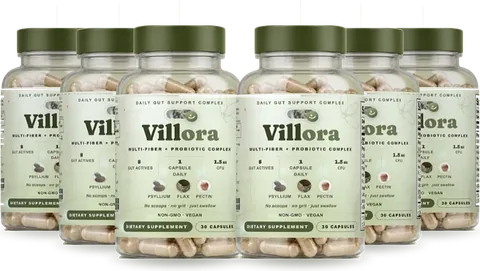
Prepping lunches around beans, grains, and greens takes about an hour on the weekend and saves money all week. Cook one grain, one legume, and one tray of vegetables, then mix with a bright dressing. Pair the habit with a morning routine like Villora, which the brand suggests taking with breakfast and water.
The three-part prep plan · A sixty-minute Sunday sequence · Two dressings, ten combinations · Storage that keeps lunches fresh · Pairing prep day with a daily routine · Shortcuts for busy weeks
- Cook one grain, one bean, and one vegetable tray per week.
- Make two dressings so lunches never repeat.
- Store components separately for freshness.
- Build the habit on a fixed prep day.
The three-part prep plan
The easiest meal-prep system uses interchangeable parts. Pick a grain (brown rice, farro, or quinoa), a bean (chickpeas, black beans, or lentils), and a green or vegetable (kale, roasted broccoli, or shredded cabbage). Cook each in bulk, and you have the foundation of five different lunches.
Variety comes from the finishing touches rather than from cooking five separate recipes.
A sixty-minute Sunday sequence
Run the steps in an efficient order:
- Minute 0: Start the grain simmering or the rice cooker running.
- Minute 5: Preheat the oven and toss vegetables with oil and salt on a sheet pan.
- Minute 15: Put the pan in the oven and simmer the dry lentils, or open and rinse canned beans.
- Minute 35: Whisk the dressings while everything cooks.
- Minute 50: Cool, portion, and label the containers. Add a strip of tape with the date to each lid.
Ready to start your routine?
Villora: a vegan multi-fiber + probiotic capsule, one a day, with a 60-day money-back guarantee.
Order Villora NowTwo dressings, ten combinations
A lemon-tahini sauce and a garlicky yogurt-herb sauce are enough to make the week feel varied. Tahini works well with chickpeas, roasted carrots, and farro. The yogurt sauce loves black beans, corn, and greens.
Add pickled red onions, toasted seeds, or a handful of fresh herbs to change the personality of each bowl. Toppings are cheap, quick, and keep boredom away. A squeeze of citrus, a spoon of salsa, or a few chopped olives can make Thursday's bowl taste nothing like Monday's.
Storage that keeps lunches fresh
Glass containers with tight lids hold up best, and they go straight from the fridge to the microwave without staining. Keep the dressing in a small separate jar so the grains stay fluffy and the leaves stay crisp, and pack the greens above the grains so they do not wilt. Most cooked components keep four to five days in the refrigerator; if you want lunches to last longer, freeze the grain and beans in flat bags and thaw overnight.
The USDA FoodData Central database can help you compare cooked beans and grains if you want to tailor portions to your taste.
Pairing prep day with a daily routine
Habits cluster. The same Sunday that gets you a fridge full of lunches is a good time to check your supplies for the week, including your daily capsules. Villora is a capsule the brand describes as a multi-fiber and probiotic complex for everyday gut support, with directions of one capsule a day, preferably with breakfast, with water.
If you are comparing pack sizes, the 4-bottle and 6-bottle options include free US shipping and two digital bonus guides, as detailed on the pricing page. See also the how Villora works overview.
Shortcuts for busy weeks
No time to cook? Use canned beans, microwave pouches of grain, and bagged greens. Add a rotisserie chicken, a jar of olives, or a block of feta, and you still have a lunch that beats a drive-through. For more ideas, see our grocery list guide for stocking the shelves ahead of time.
The goal is a lunch you actually look forward to, so allow yourself a reward on top: a crunchy topping, a fruit on the side, or a square of dark chocolate to end the meal.