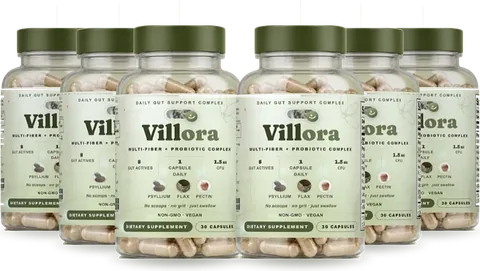
Slow eating means giving each meal about twenty minutes, chewing thoroughly, and putting the fork down between bites. It turns an ordinary plate into a calmer, more satisfying experience. Pair it with a steady daily routine, such as one Villora capsule with breakfast and water as stated by the brand, and mornings begin with intention.
Why the pace of a meal matters · Five habits to try this week · Set the scene · A twenty-minute dinner, step by step · Linking slow meals to a daily routine · Keep it going without perfection
- Aim for roughly twenty minutes per meal.
- Put your utensil down between bites to set the pace.
- Remove screens and sit at a table when you can.
- Anchor your daily routine to the first slow meal of the day.
Why the pace of a meal matters
Most of us eat quickly because life is quick. Lunch happens at a keyboard, dinner in front of a show, and breakfast on the way out the door. Slowing down changes the whole experience: flavors come through, portions feel right, and the body gets time to register that it is being fed.
You do not need a meditation retreat. You need a few small adjustments that turn autopilot eating into an actual meal.
Five habits to try this week
Pick one or two, not all five. Habits build best when they are small:
- Put your fork down after every few bites and pick it up again only when your mouth is empty.
- Chew until the food is soft, which often means 15 to 25 chews for firmer items.
- Take one deep breath before the first bite.
- Use a smaller plate so portions look generous without effort.
- Name one flavor you notice in each course, such as sweet, sharp, or earthy.
Ready to start your routine?
Villora: a vegan multi-fiber + probiotic capsule, one a day, with a 60-day money-back guarantee.
Order Villora NowSet the scene
Environment does half the work. Clear the table of laptops and stacks of mail, light a candle if you enjoy that sort of thing, and put the phone in another room. Even a simple placemat signals that this is a meal, not a pit stop.
Playing with texture helps too. Crunchy vegetables, chewy grains, and creamy sauces give your mouth something to pay attention to. Fiber-forward foods naturally encourage slower eating because they take more chewing, which is one more reason to fill the plate with whole foods. Our grocery list guide can help you stock the kitchen.
A twenty-minute dinner, step by step
Try this timing tonight. Spend the first two minutes simply looking at the plate and breathing. Take the next ten minutes on the first half of the meal, setting the fork down each time. Pause for a sip of water, check in with how you feel, and decide whether you still want the second half.
Finish with a short pause before dessert or tea. This small gap gives you a chance to choose rather than chase. Many people discover they enjoy smaller portions when the pace is unhurried, and they leave the table feeling steady instead of stuffed.
Linking slow meals to a daily routine
Mindful eating is easiest when it is attached to something you do every day. Breakfast is a natural home. If you take Villora, the brand's directions are one capsule a day, preferably with breakfast, with water. Making that moment your anchor means the same few quiet minutes begin every morning.
The brand describes Villora as a multi-fiber and probiotic complex for everyday gut support, designed to sit beside balanced eating rather than replace it. Read more on the what is Villora page and see how it fits with a daily rhythm on how Villora works.
Keep it going without perfection
You will have rushed meals. That is fine. Think of the habit as a dial rather than a switch, and turn it up when you can. A good target is three slow meals per week, then four, then whichever feel natural.
For more ideas on building steady habits around food, browse the guidance at MedlinePlus, a trusted general reference for everyday nutrition topics.