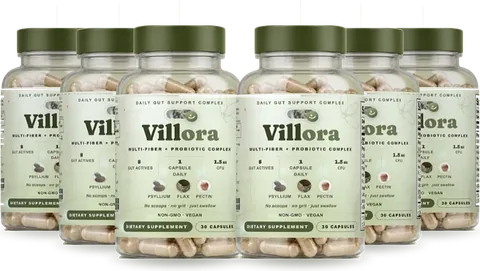
A ten-minute walk after a meal is one of the simplest habits you can build. Wait a few minutes after eating, keep the pace easy, and aim for one or two walks per day. It costs nothing, needs no gear, and pairs well with a morning routine that includes Villora, taken with breakfast and water per the brand.
Why a short walk after eating works · How to time it · Route ideas for any setting · Make it a ritual, not a chore · Building a full-day routine · Keeping it going through the seasons
- Ten easy minutes is plenty to start.
- Begin the walk five to fifteen minutes after you finish eating.
- Anchor the habit to one meal first, then add another.
- Walking and a daily capsule routine can live side by side.
Why a short walk after eating works
Long workouts are hard to schedule, but a ten-minute stroll fits almost anywhere. Walking after a meal gets you off the couch, clears your head, and turns the end of dinner into something to look forward to rather than a slide toward the sofa.
The CDC's physical activity basics page outlines general weekly movement guidelines for adults, and short walks add up quickly toward those totals.
How to time it
A comfortable window opens about five to fifteen minutes after you finish a meal. Right away can feel heavy after a large plate, and waiting too long lets the evening drift. Keep the pace conversational: you should be able to chat without gasping.
If a full ten minutes seems like a lot, start with five and add a minute every few days. The point is repetition, not distance.
Ready to start your routine?
Villora: a vegan multi-fiber + probiotic capsule, one a day, with a 60-day money-back guarantee.
Order Villora NowRoute ideas for any setting
Pick a loop you can walk without thinking so there is no decision to make:
- Around the block, twice, with a different direction each lap.
- Up and down your apartment building's corridors on rainy days.
- To the mailbox, then the corner, then home.
- A loop of the office parking lot after lunch.
- Laps around the yard or porch with a phone call to a friend.
Make it a ritual, not a chore
Rituals stick when they feel good. Keep a pair of comfortable shoes by the door, put on a light jacket you like, and listen to a podcast saved for the walk. Invite family along; a dinner-then-stroll habit turns into a favorite part of the evening, and kids tend to chat more on the move than at the table.
Track it on a calendar. Seeing a chain of checkmarks is motivating, and it takes five seconds. If you miss a day, simply start again the next one.
Building a full-day routine
Walking is a strong evening anchor, and breakfast makes a good morning one. Many people take Villora there: the brand's directions are one capsule a day, preferably with breakfast, with water. Morning capsule, evening walk, and you have bookends for a steady day.
Villora is described by the brand as a multi-fiber and probiotic complex for daily gut support, meant to sit beside balanced eating and movement. Browse the formula page for details on how the label presents it, or visit the about us page to learn about the brand.
Keeping it going through the seasons
Weather will test you. In summer, walk after sunset or in shade. In winter, add a hat and gloves, and choose well-lit streets. When the forecast is truly bad, march through your home for ten minutes with a favorite playlist or show on the screen.
Over time, the walk becomes automatic. Some families add a small tradition, such as noticing one new thing on the route each night or stopping to say hello to the same neighbor. Those tiny rituals make the walk feel like part of home life. A dog, a stroller, or a friend on the phone all make the minutes pass faster too. You stop negotiating with yourself, you put on your shoes, and you head out the door. That is the real win.