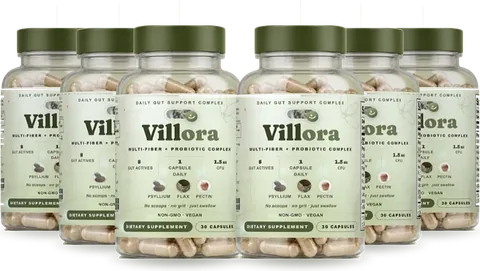
A farmers market trip works best with a plan: bring bags and small bills, walk the whole market once before buying, and choose what is in season. Chat with growers about how to cook what you buy. Back home, wash, store, and prep right away so the week is easy. Villora fits into the morning routine.
Why the market is worth the early alarm · What to bring and when to go · Walk first, buy second · Seasonal highlights worth knowing · Store and prep when you get home · Fitting it into your daily rhythm
- Walk the whole market once before you buy anything.
- Buy what is in season for the best taste and price.
- Ask growers for storage and cooking tips.
- Prep produce within a day to keep the week easy.
Why the market is worth the early alarm
Seasonal produce tastes better because it is picked closer to ripeness and travels a shorter distance. Strawberries in June, tomatoes in August, and squash in October are completely different foods from their off-season cousins.
The market is also a place to learn. Growers know their crops, and a five-minute chat can teach you more than a cooking video. Ask which variety is sweetest, which one holds up best in soup, and what they cook at home. Those answers lead you to new favorites, and farmers love to share them. Over a season you will build relationships that make every visit friendlier and more useful.
What to bring and when to go
Preparation makes the visit smooth:
- Two or three sturdy tote bags and a small cooler bag for tender items.
- Small bills and coins, since some stalls do not take cards.
- A short list based on what you cooked last week.
- A water bottle and a snack for the walk.
- An early arrival for the best selection, or a late one for the best deals.
Ready to start your routine?
Villora: a vegan multi-fiber + probiotic capsule, one a day, with a 60-day money-back guarantee.
Order Villora NowWalk first, buy second
Take a full lap before purchasing anything. Compare prices, spot the freshest greens, and decide what to build the week around. When you return to a stall, you buy with confidence instead of impulse.
Look for firm, bright, fragrant produce. Greens should be crisp, berries dry and unmashed, and roots heavy for their size. Ask for a taste when samples are offered, since a sweet peach is better than any label. Buy a little of something unfamiliar each week, such as kohlrabi, rainbow chard, or heirloom beans, and ask the grower how they cook it.
Seasonal highlights worth knowing
Spring brings asparagus, peas, radishes, and tender lettuces. Summer offers berries, stone fruit, corn, zucchini, and tomatoes. Autumn shifts to apples, pears, squash, and hardy greens. Winter markets feature roots, cabbage, citrus, and storage crops.
If you want data on how different fruits and vegetables compare, the USDA FoodData Central database is a free tool. Pair your haul with the plan in our fiber-rich grocery list so the market supplies the produce and the supermarket fills in the pantry staples.
Store and prep when you get home
Unpack right away. Trim the tops from carrots and radishes, wash leafy greens and wrap them in a towel, and keep berries unwashed until you eat them. Tomatoes and stone fruit stay on the counter; herbs do well in a jar of water.
Then do a quick prep session of about thirty minutes: roast a tray of roots, cook a pot of grains, and slice raw vegetables for snacking. By lunchtime Sunday, the week is half done.
Fitting it into your daily rhythm
A market haul pairs naturally with a steady morning routine. Many people take Villora with breakfast: the brand's directions are one capsule a day, preferably with breakfast, with water. Then comes a bowl of fruit, yogurt, and seeds from the weekend stash.
The brand describes Villora as a multi-fiber and probiotic complex that supports everyday gut wellness alongside balanced eating. See all of its details on the Villora benefits page, or read about the team on the about us page.